Dive deep,
then see the
big picture
Branch off from any part of an AI conversation, explore ideas in depth, and turn the whole conversation tree into one clear, beautiful summary article you can keep.
Use your own ChatGPT account and tokens.
From the public library
See where curiosity leads
5 min read3 side threads
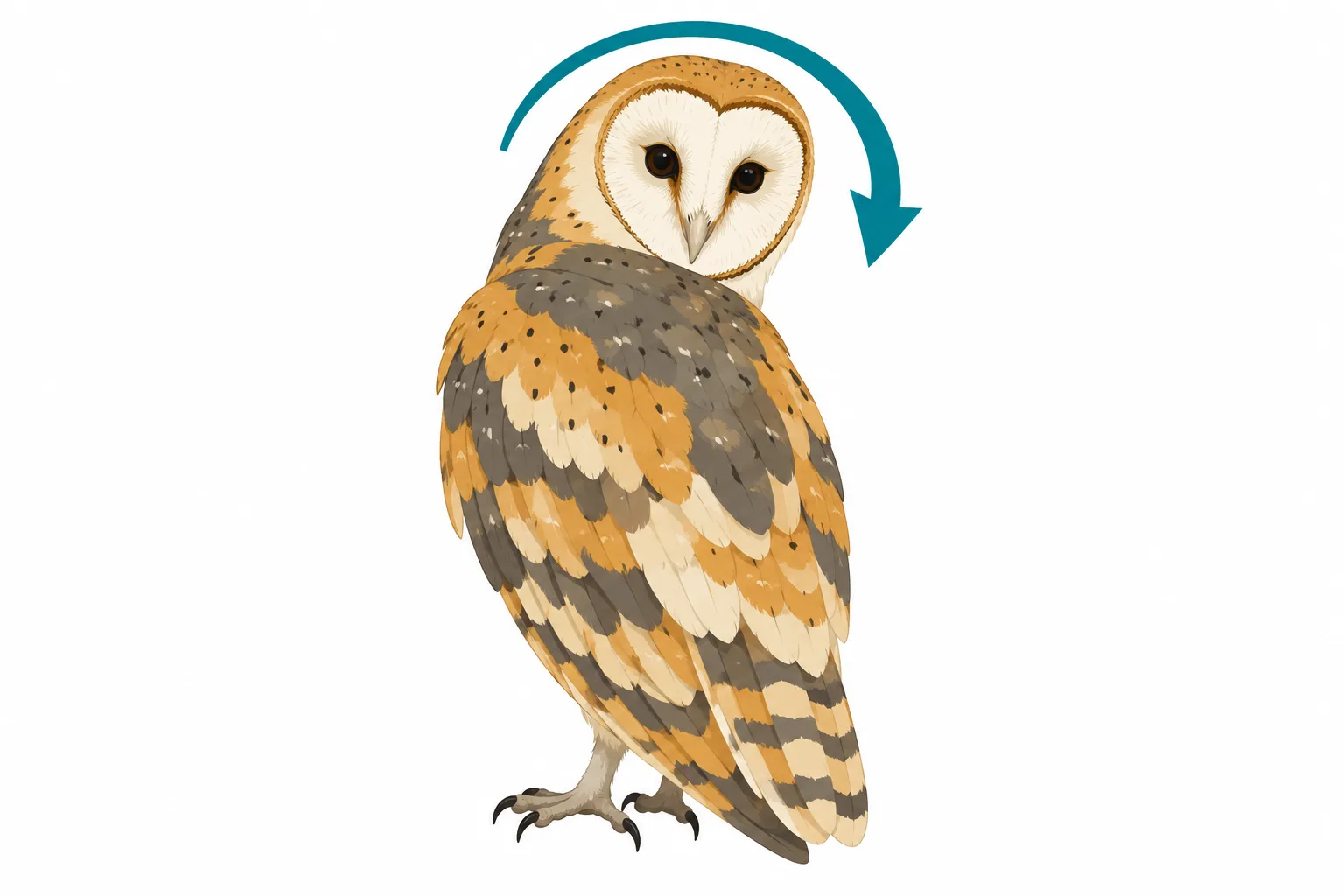
How Can Owls Turn Their Heads So Far?
An owl’s head turn takes more than a flexible neck. Discover how extra joints, roomy artery passages and nearly fixed eyes make this extraordinary swivel possible.
2 min read3 side threads
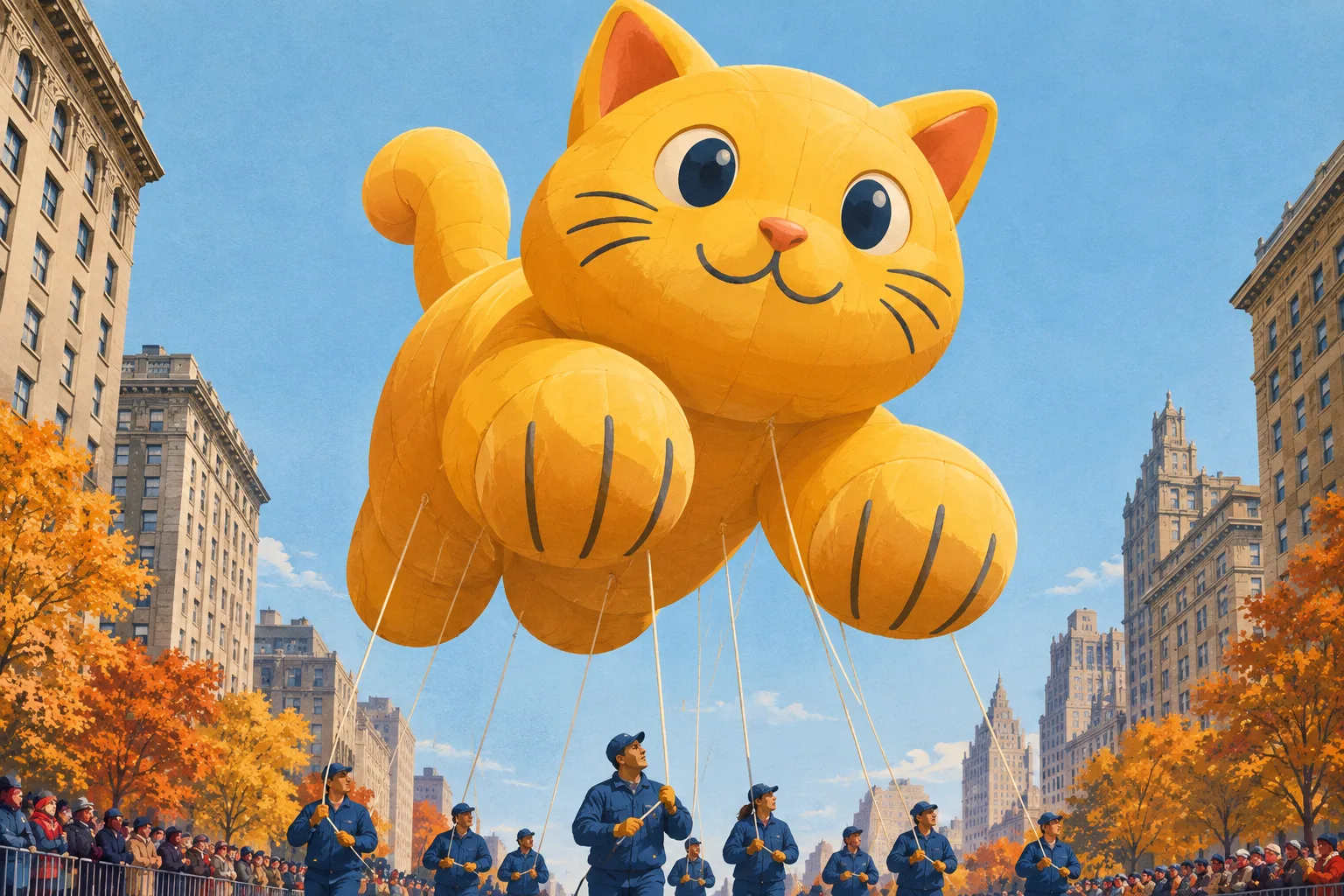
How Macy’s Got Its Giant Thanksgiving Balloons
Macy’s giant balloons began as a child-friendly replacement for zoo animals. Discover how oversized puppets took flight—and why keeping them aloft takes a coordinated crew.
6 min read4 side threads
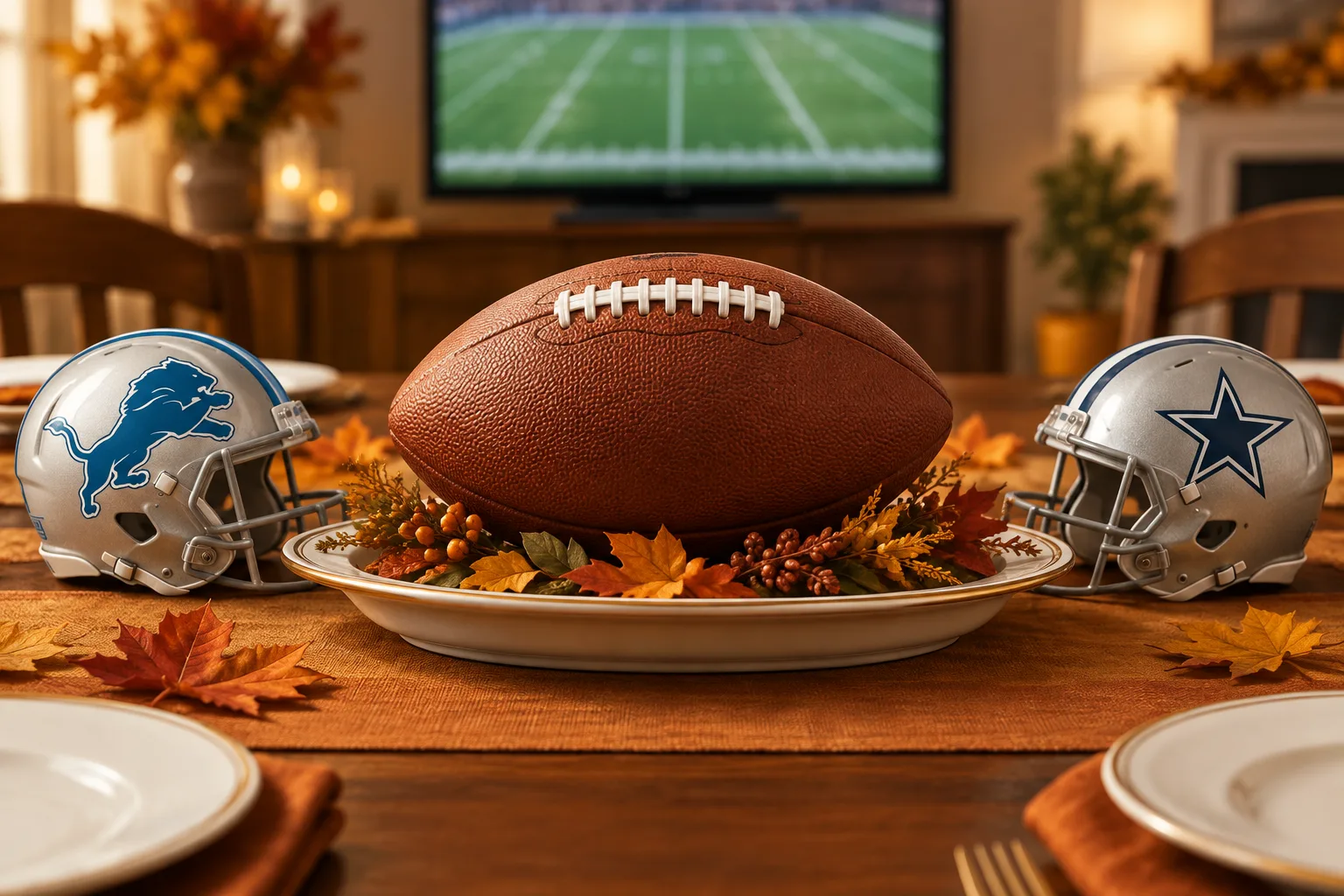
Why the NFL Plays on Thanksgiving—and Why You Always See the Lions and Cowboys
Thanksgiving football began before the Lions and Cowboys claimed the holiday. Discover how publicity, broadcasting, and repetition turned their games into a national ritual.
8 min read4 side threads
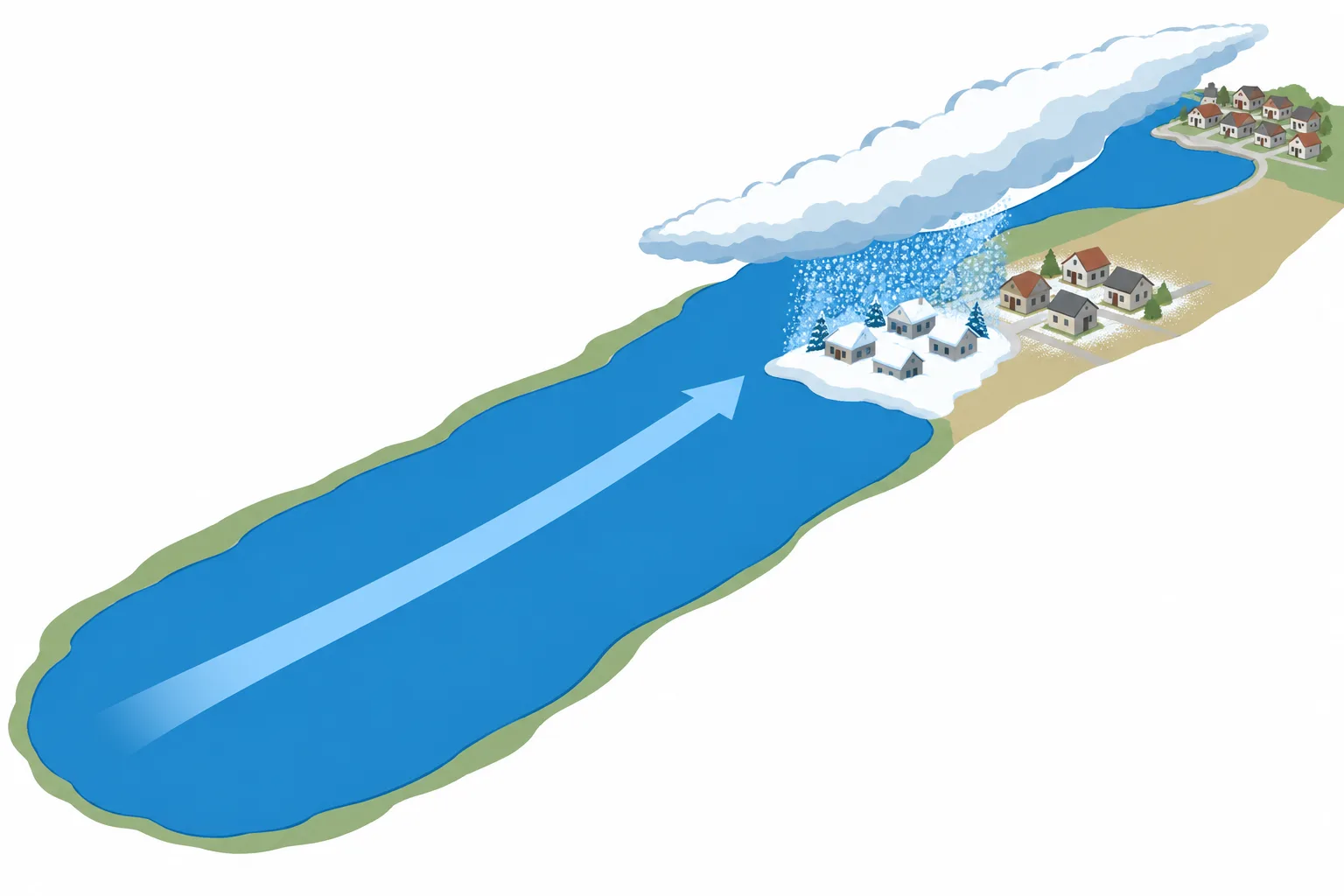
What Is Lake-Effect Snow, and Why Does It Bury Buffalo?
A warm lake, a blast of cold air, and a steady wind can bury one neighborhood while sparing the next. Discover how narrow snow bands turn Lake Erie into Buffalo’s winter supply line.
7 min read3 side threads
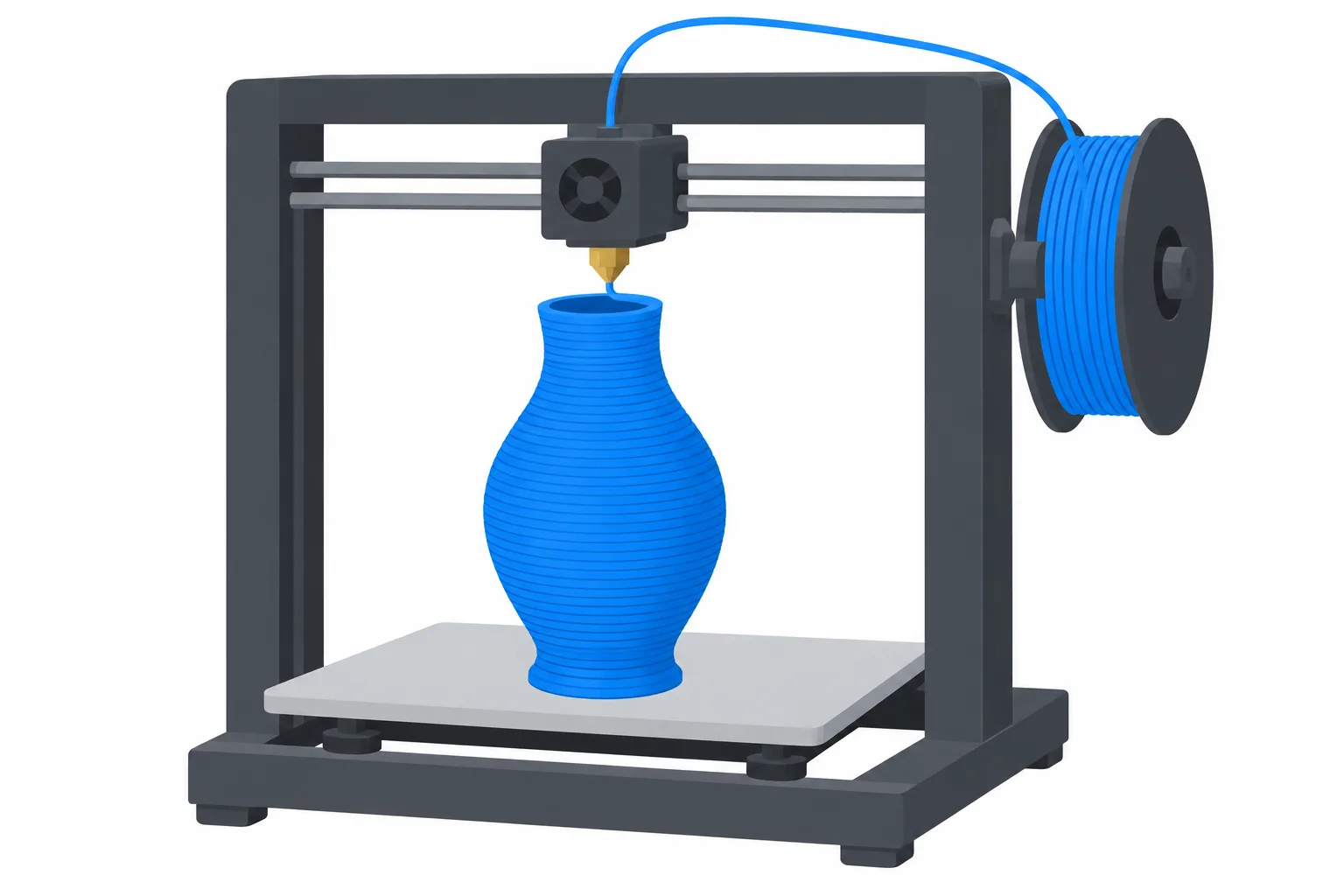
How Does a 3D Printer Work?
How does a digital design become something you can hold? Explore how 3D printers build with plastic, light, and even cement—one thin layer at a time.
5 min read3 side threads
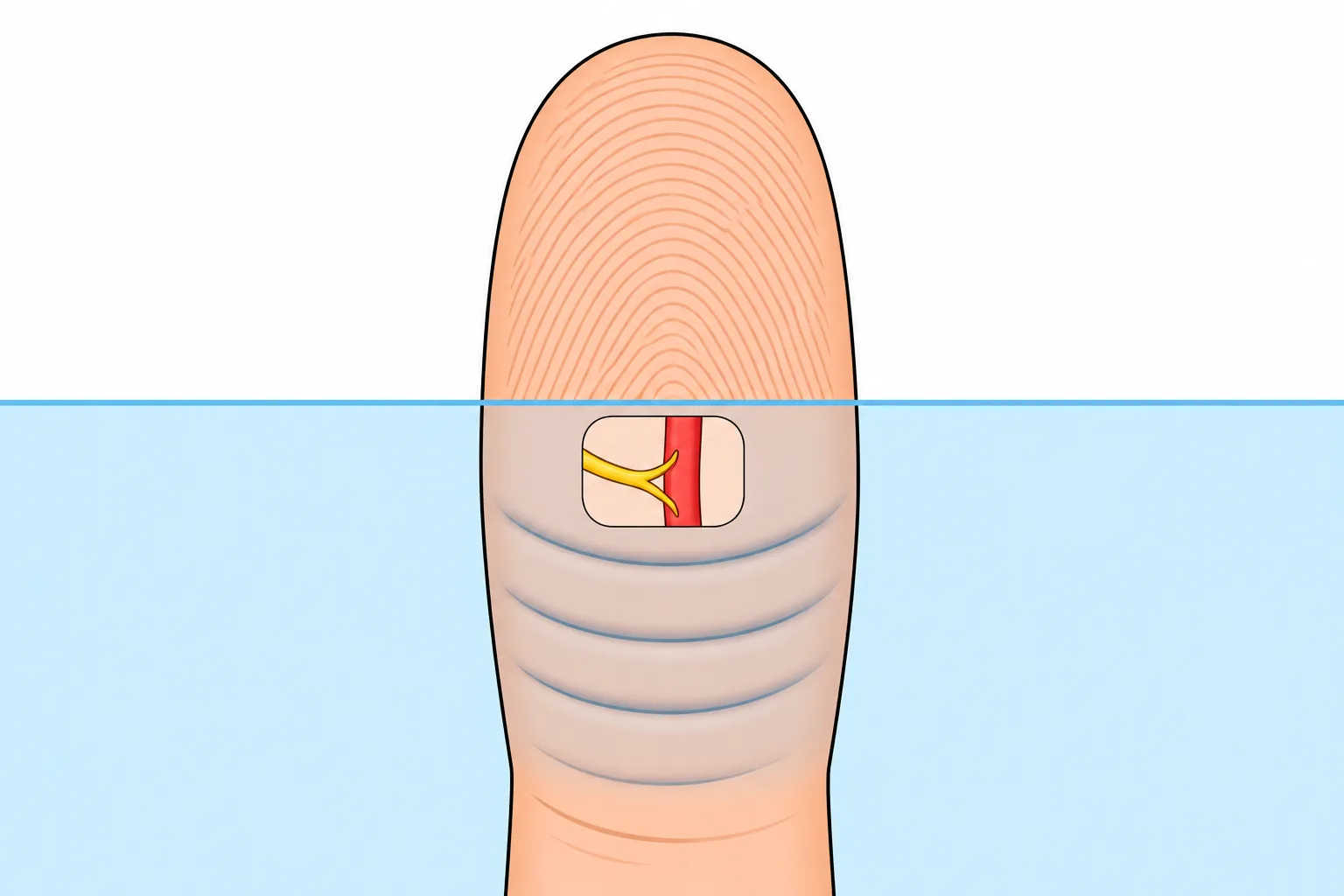
Why Do Fingers Wrinkle in Water?
Bath-time wrinkles are more than waterlogged skin. Discover how nerves and tiny blood vessels reshape your fingertips—and why their possible grip advantage is still debated.
8 min read4 side threads
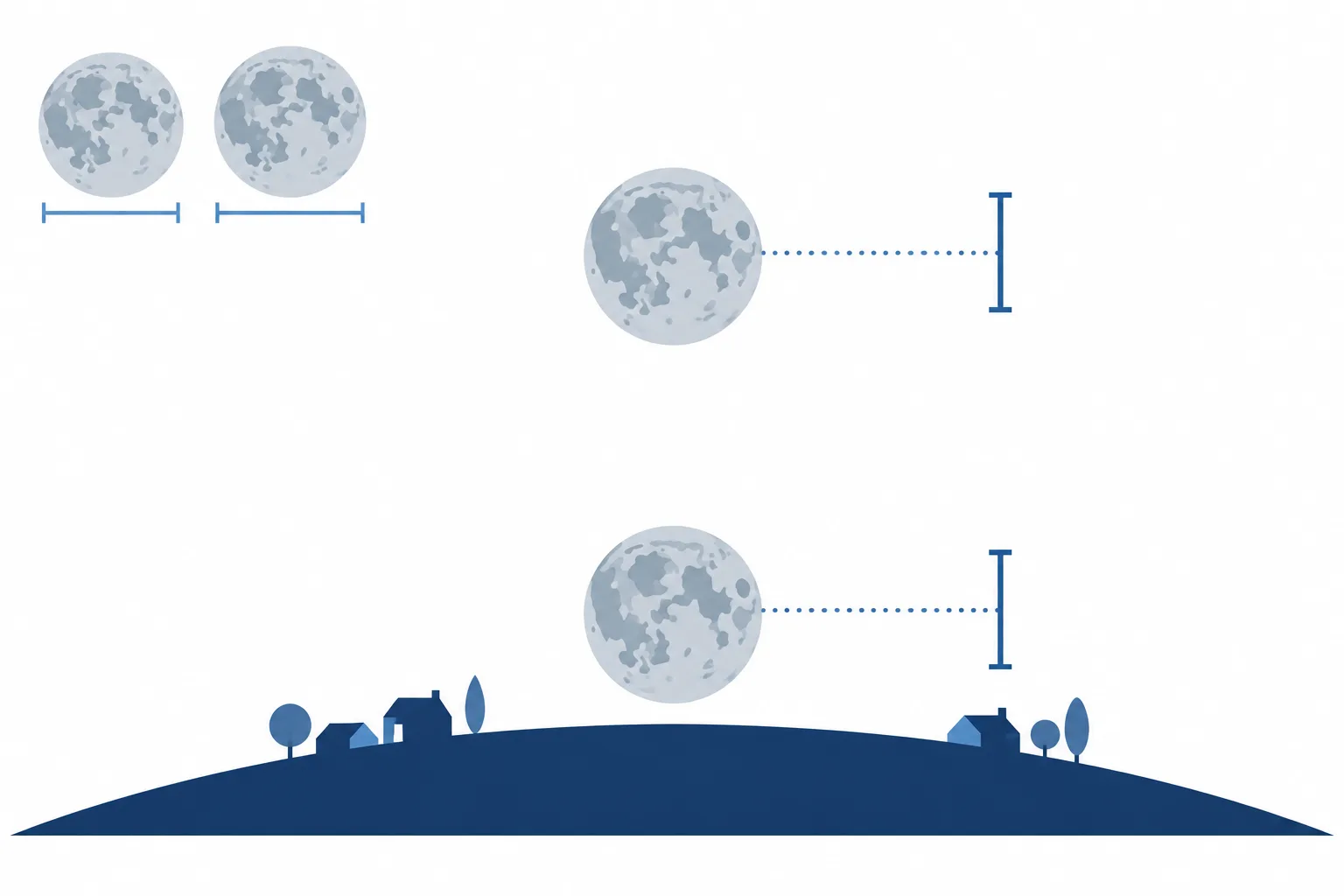
Supermoons and the Moon Illusion: Why the Moon Can Look So Big
A supermoon really is bigger—but the giant Moon at the horizon is mostly an illusion. Discover how orbital distance and visual perception combine to fool your eyes.

7 min read4 side threads
What Happens After Someone Falls Overboard From a Cruise Ship?
A person overboard can vanish from view in moments. Discover how crews respond, how rescuers track a drifting target, and why a witness’s actions matter.
5 min read3 side threads
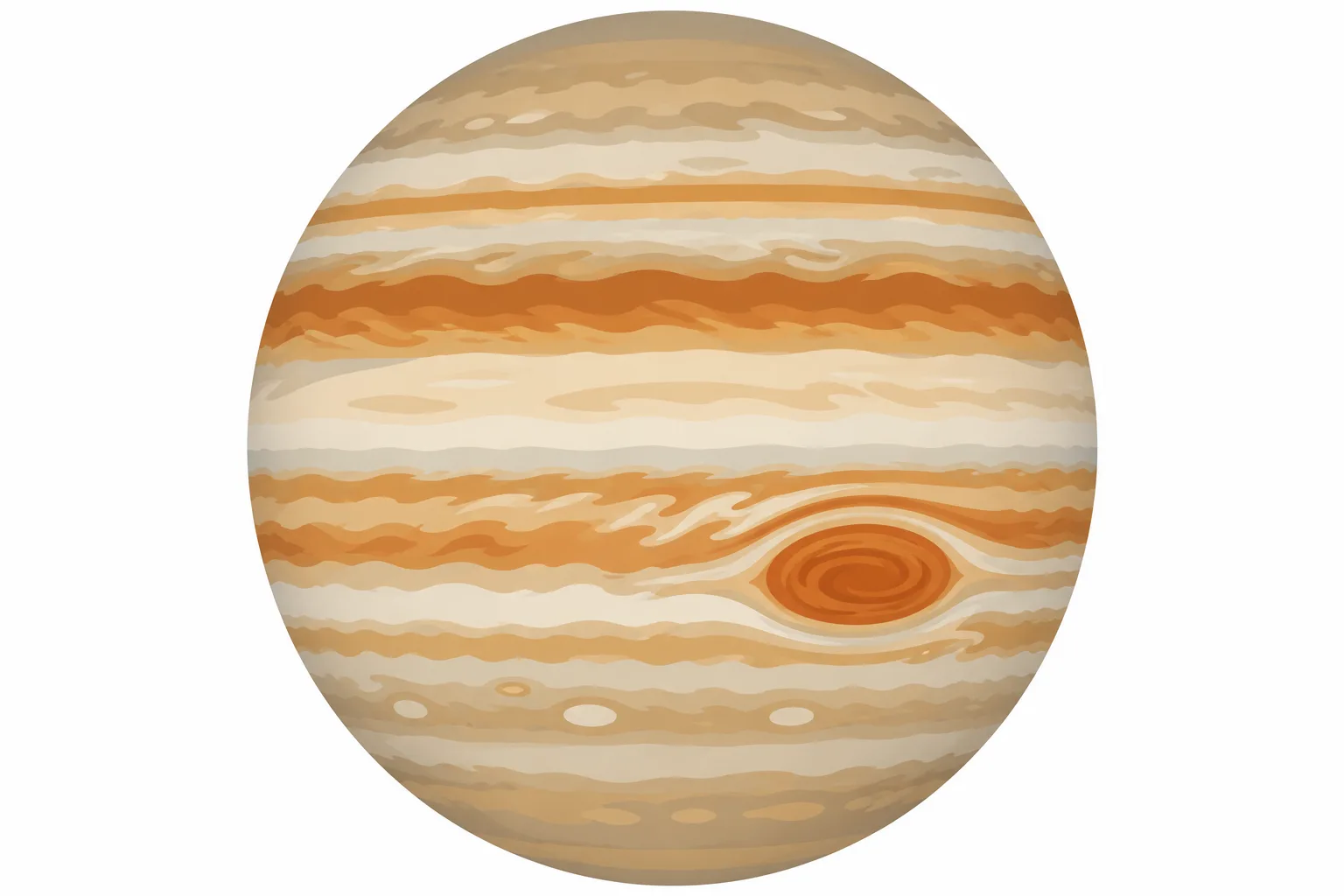
What Is Jupiter’s Great Red Spot?
A storm wider than Earth has swirled on Jupiter for generations. Explore its fierce winds, mysterious red haze, and surprising shrinkage.
3 min read3 side threads
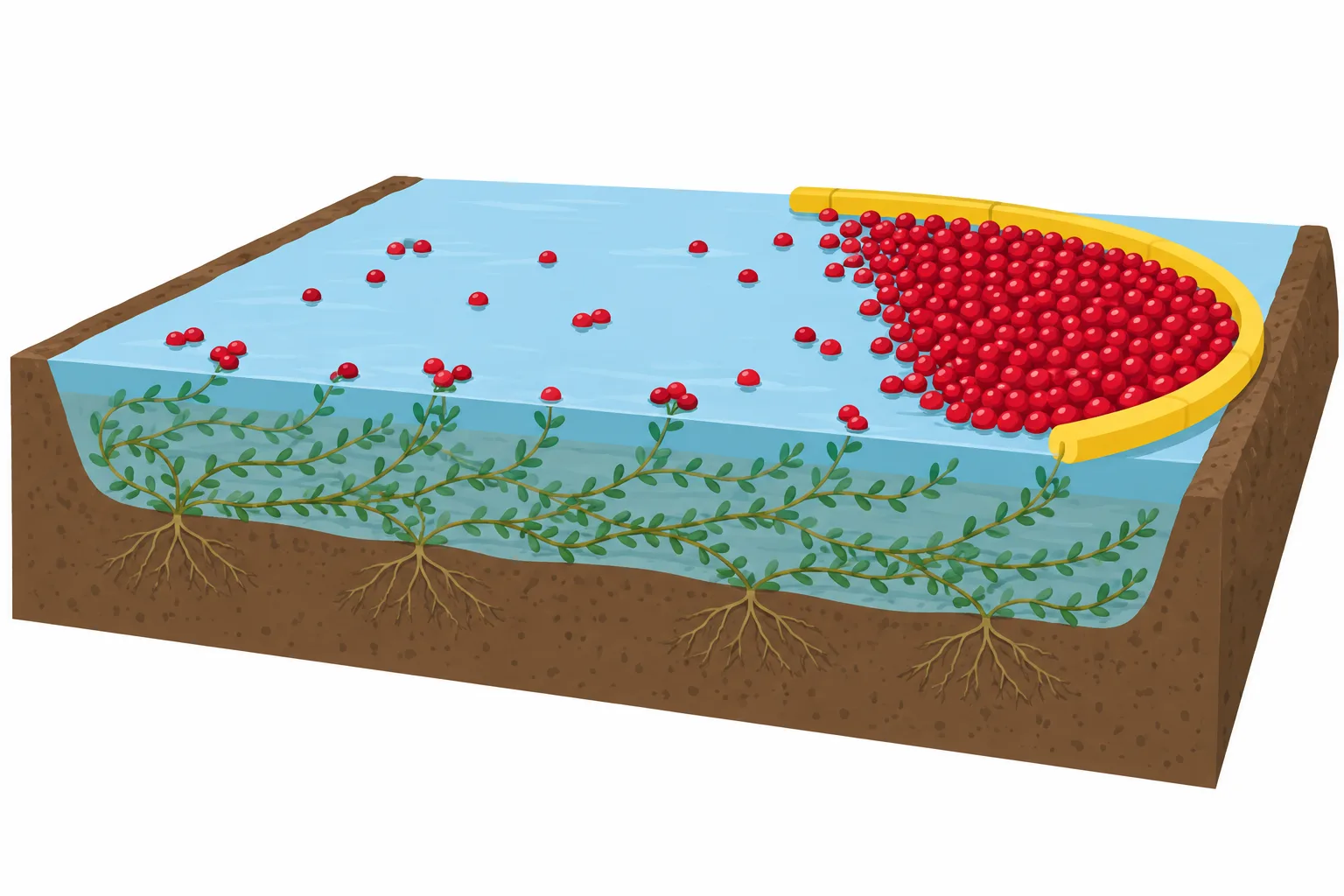
Why Are Cranberries Harvested in Flooded Bogs?
A floating red harvest hides a clever trick: cranberries carry their own air pockets. Discover how growers use water to gather fruit that actually grows on land.
8 min read4 side threads
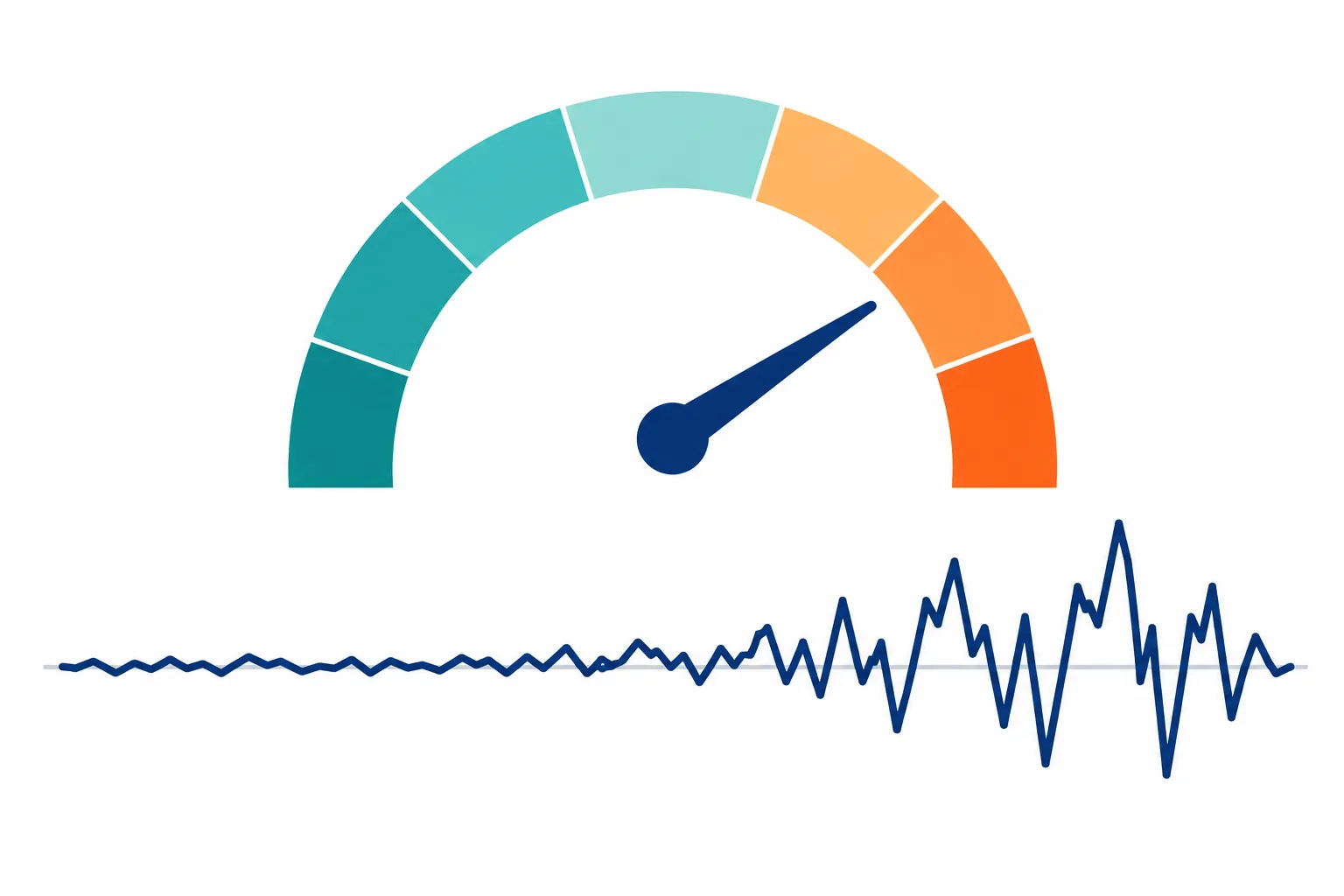
What Is the VIX—and Why Is It Wall Street’s “Fear Gauge”?
The VIX turns option prices into a gauge of market uncertainty. Learn what its spikes really signal—and why a reading of 30 does not mean stocks will fall 30%.
7 min read4 side threads
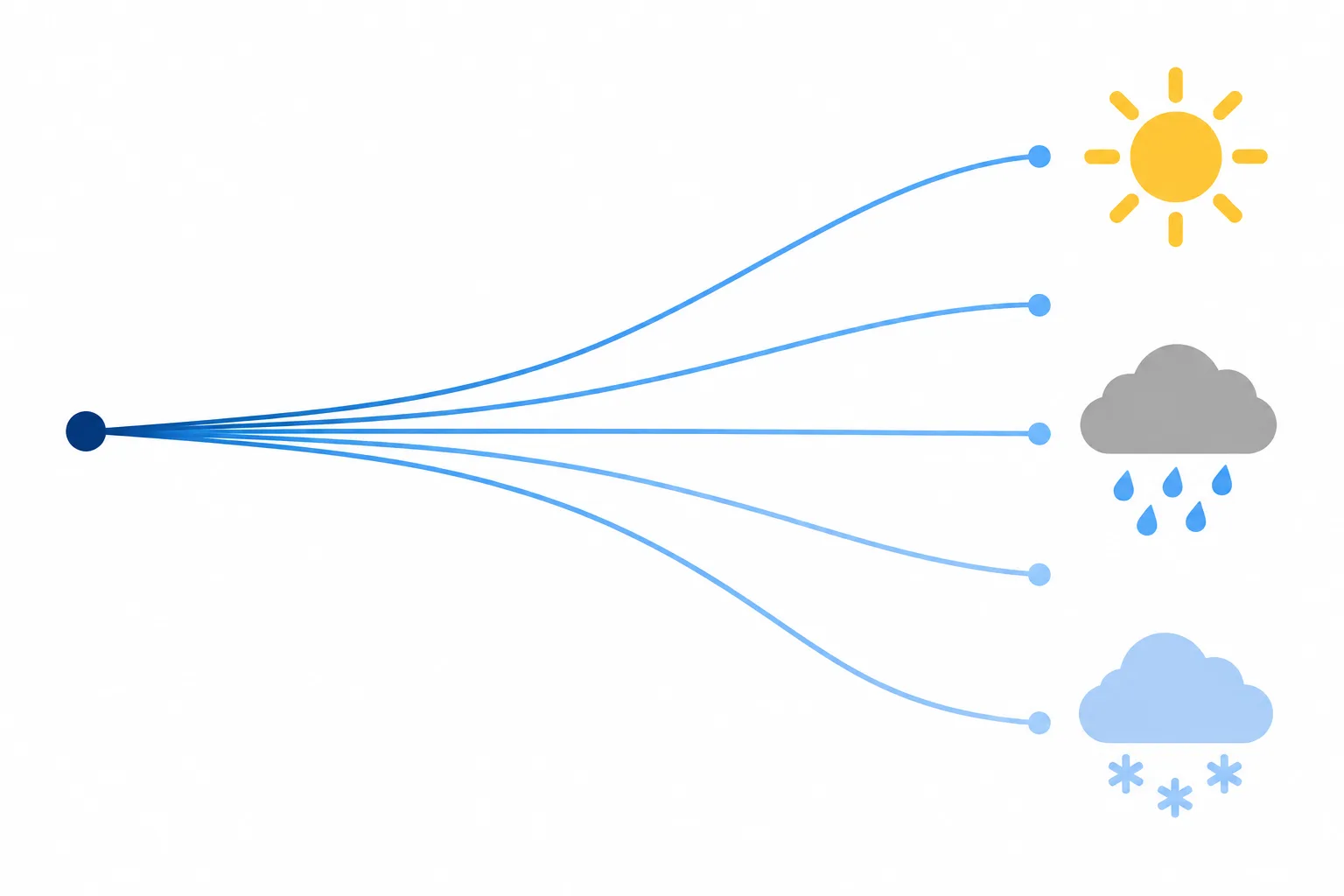
How Far Ahead Can You Trust a Weather Forecast?
Tomorrow’s forecast and next week’s outlook answer different questions. Discover why forecasts change, what model disagreements reveal, and which details deserve your trust.
8 min read4 side threads
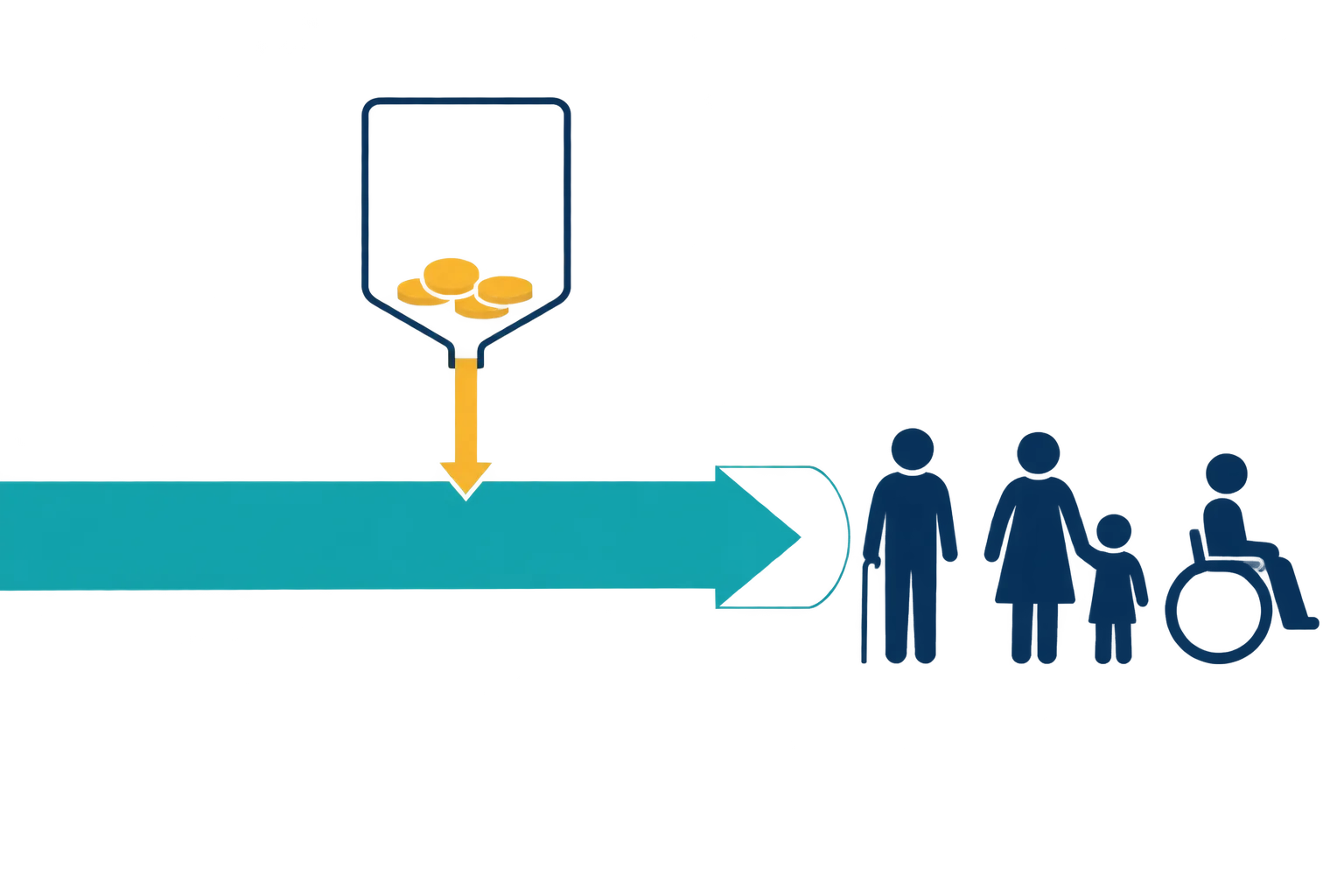
How Social Security Works—and What “Running Out” Really Means
Your payroll taxes fund today’s benefits—not a personal nest egg. Follow the money to see how your check is calculated and why depleted reserves wouldn’t mean payments disappear.
3 min read5 side threads
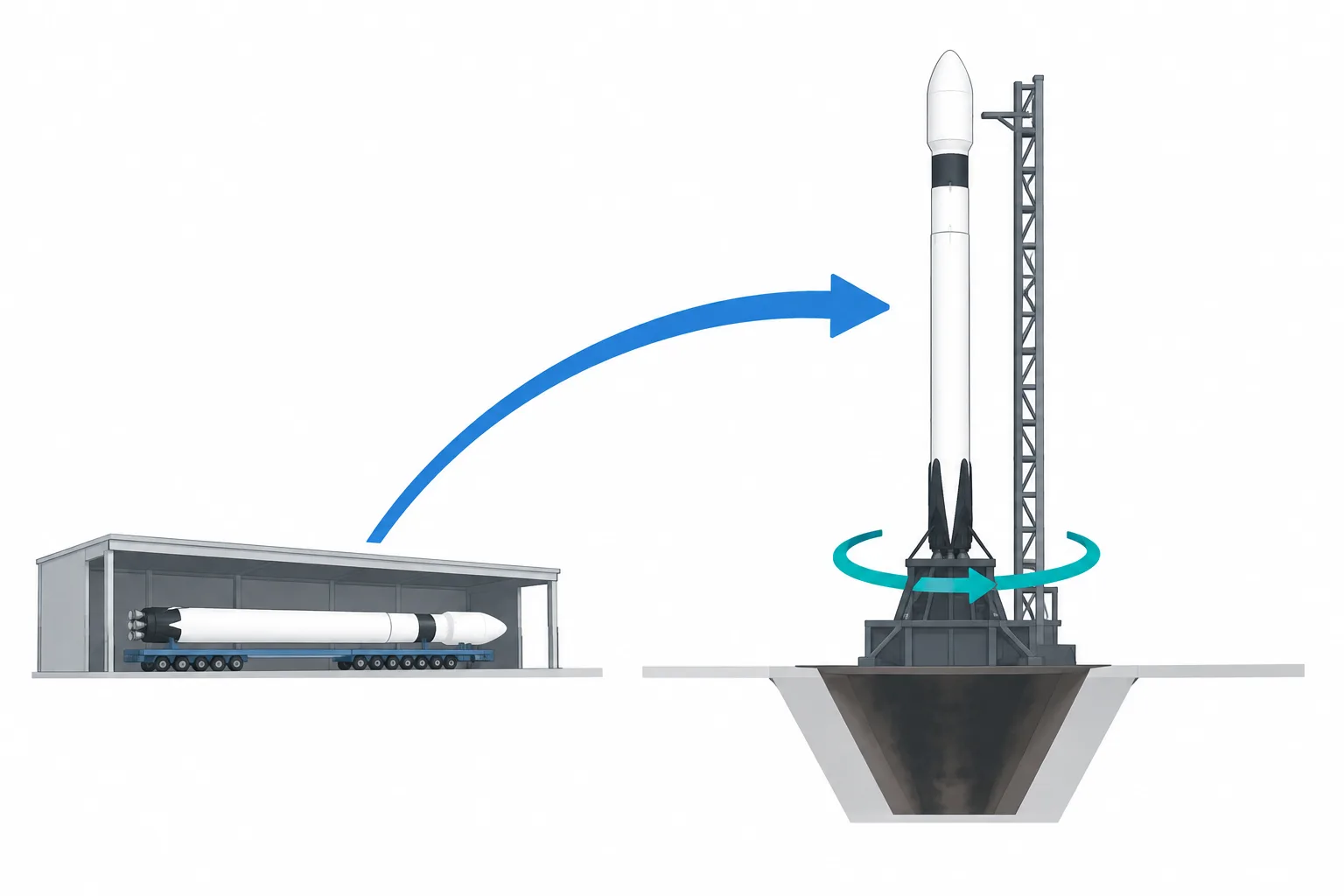
How Can SpaceX Reuse a Launch Pad in Just 32 Hours?
A 32-hour launch gap does not mean reflying the same rocket. Parallel preparation, tough ground equipment and careful inspections let the next Falcon 9 take its turn.
6 min read3 side threads
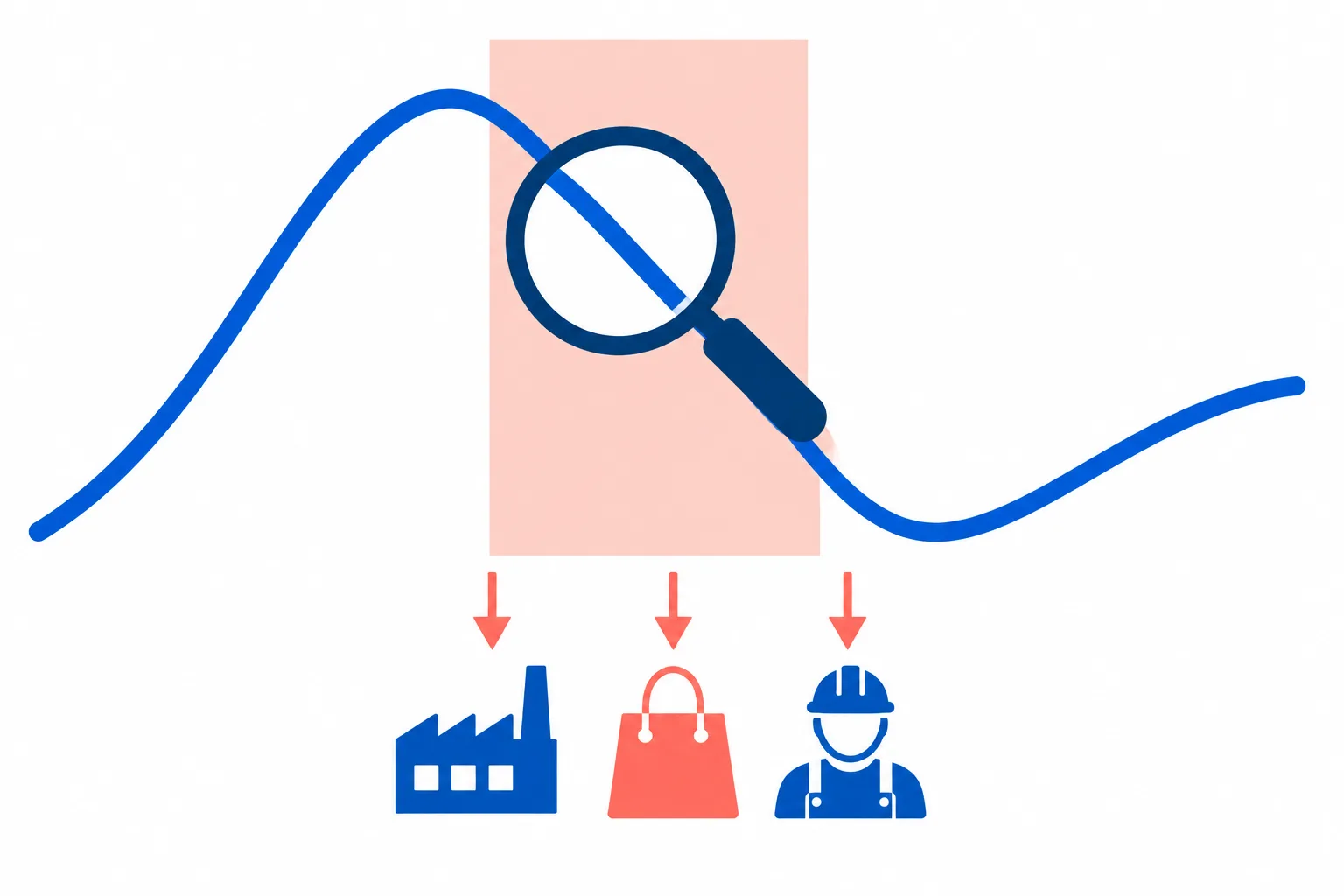
What Is a Recession—and Who Decides When One Starts?
Two quarters of falling GDP are a clue—not a verdict. Discover how recessions spread, why recovery can still hurt, and who dates the downturn.
7 min read3 side threads
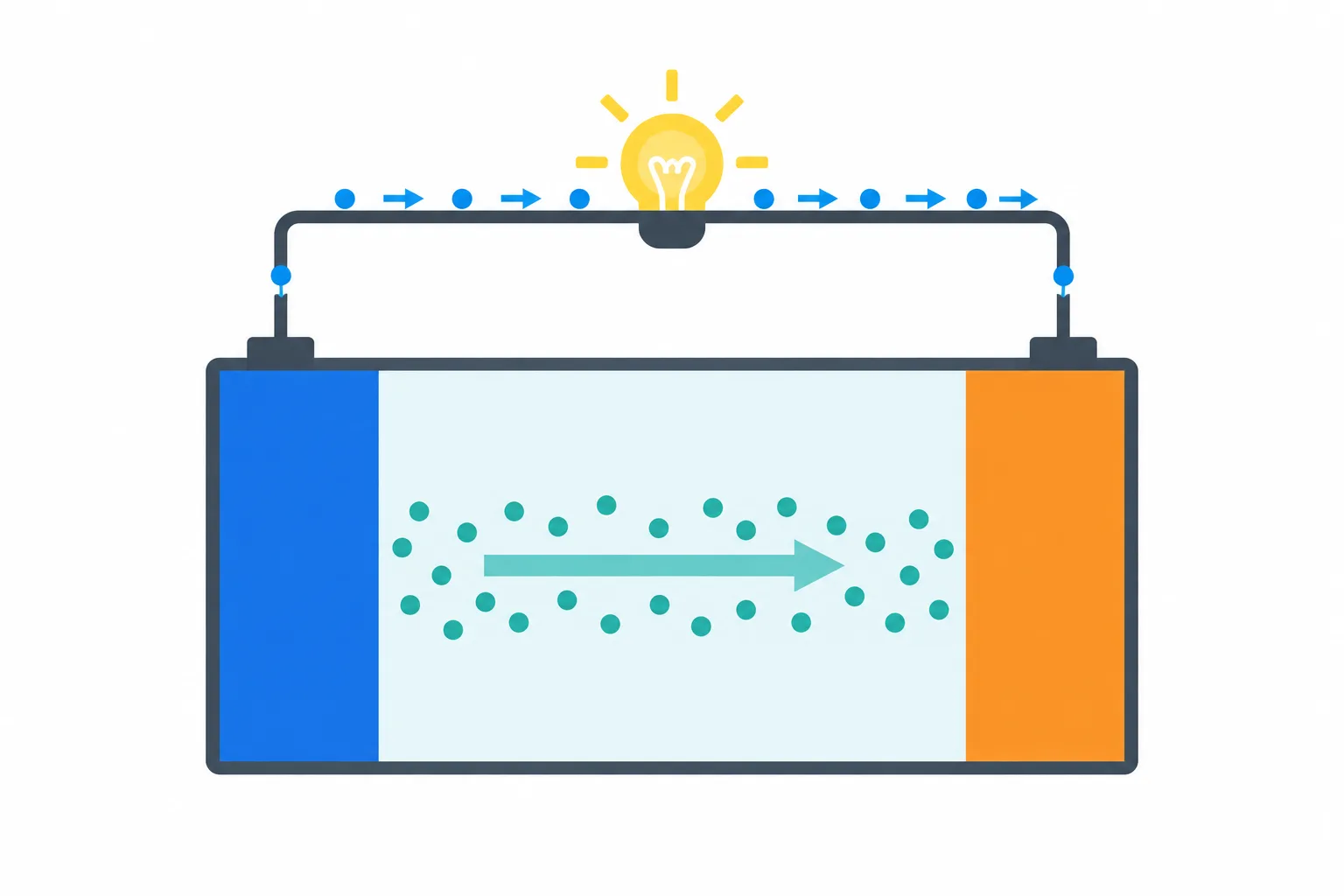
How Does a Battery Store Electricity?
A battery stores energy in chemistry, not a tank of electricity. Follow the two paths of moving charge to discover how batteries work, recharge, and wear out.
2 min read3 side threads
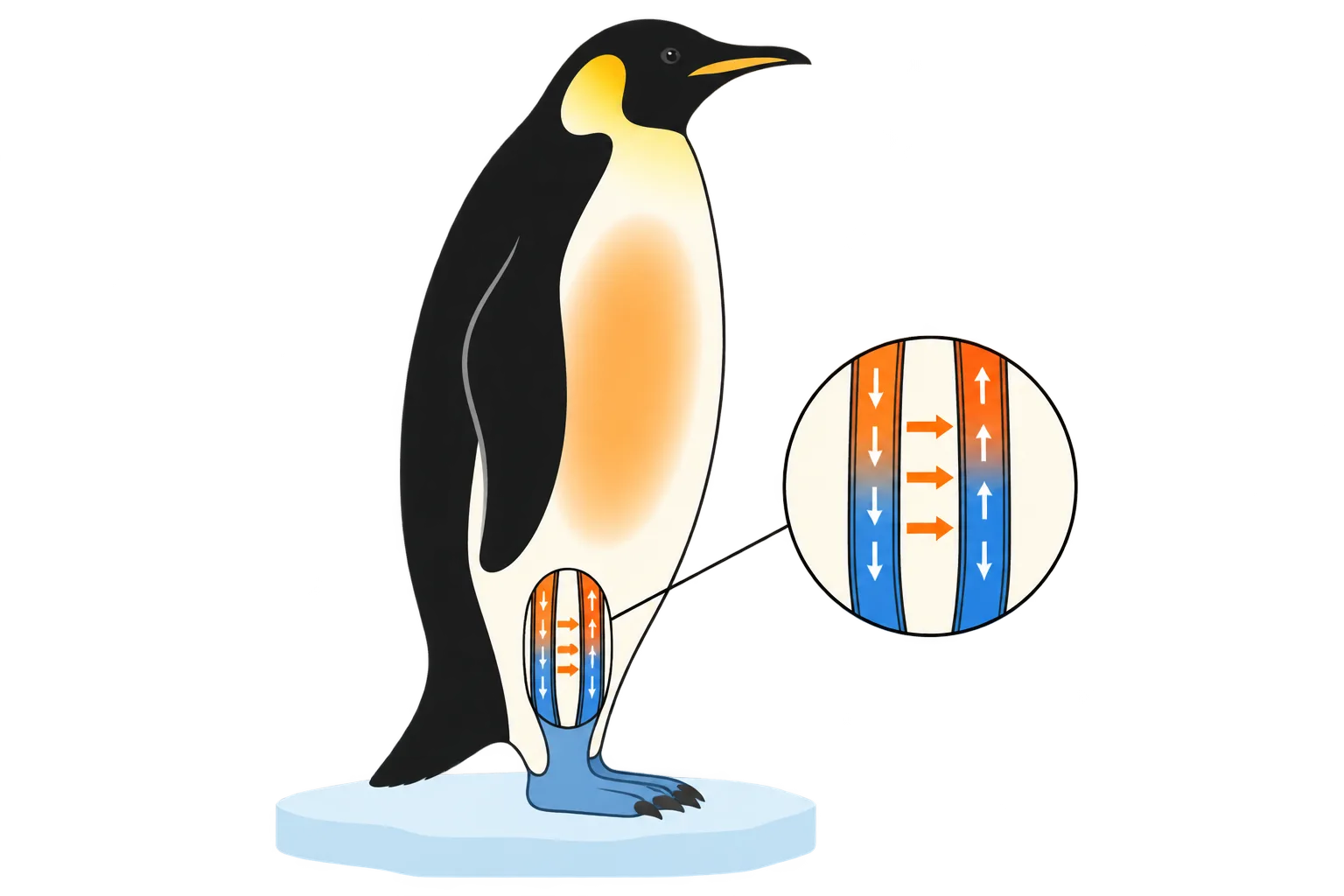
Why Don’t Penguins’ Feet Freeze?
Penguins stand barefoot on ice without keeping their feet toasty. Discover how a built-in heat exchanger saves warmth while keeping living tissue from freezing.
2 min read3 side threads
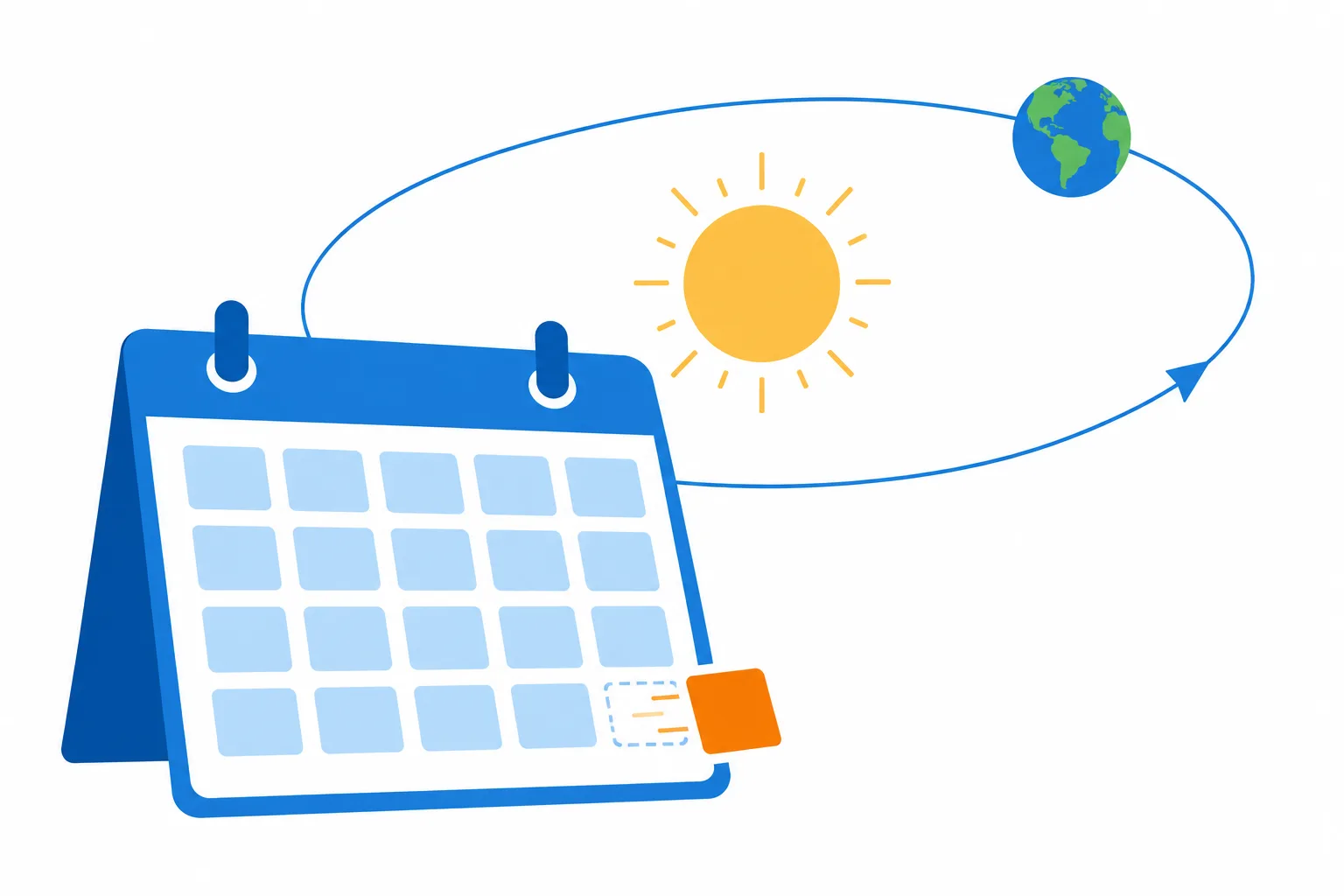
Why Do We Have Leap Years?
Earth’s year doesn’t fit neatly into whole days. Discover how February 29 keeps the seasons on schedule—and why some century years skip it.
7 min read4 side threads
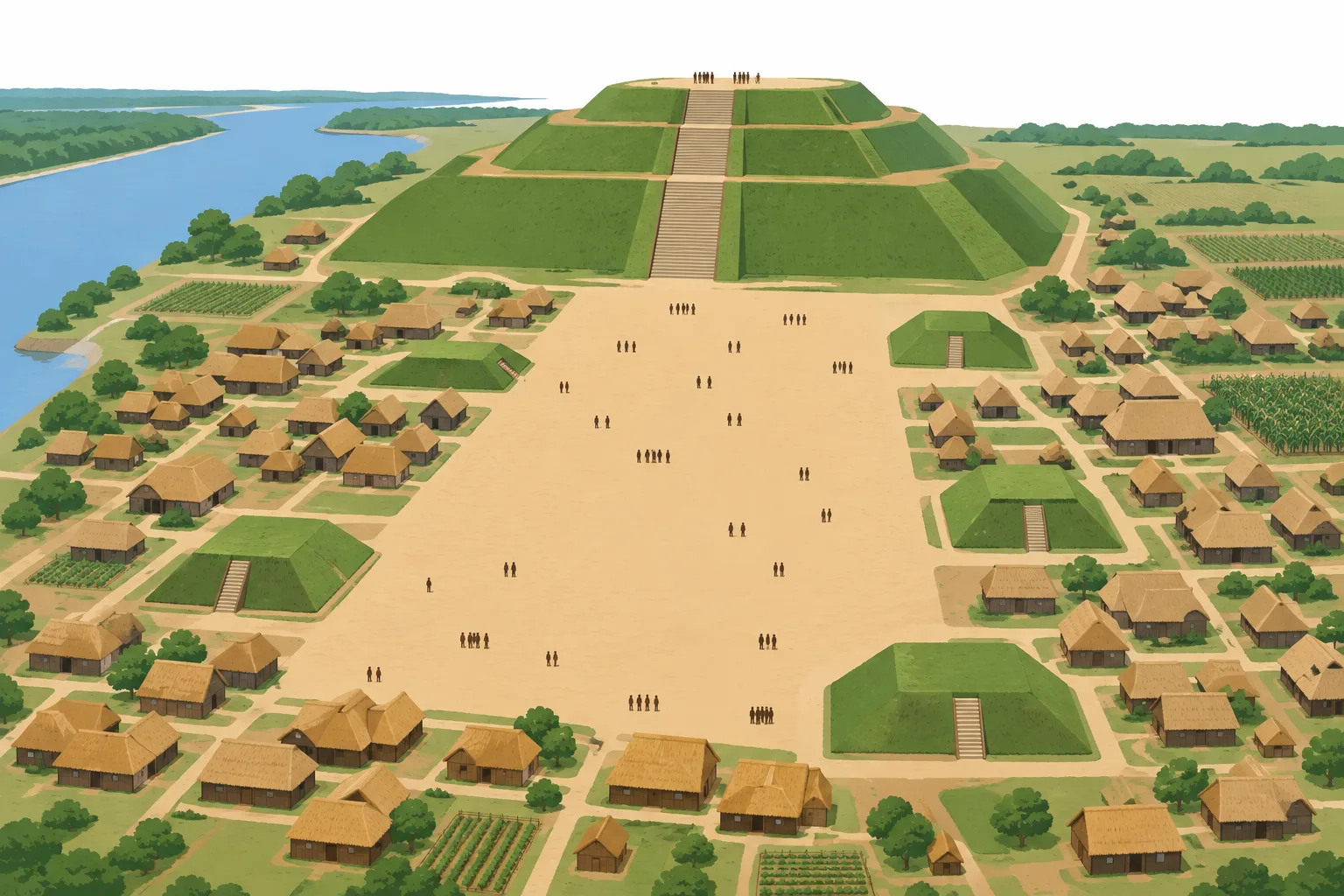
Cahokia: The Indigenous Metropolis Beside the Mississippi
A city of thousands rose beside the Mississippi, built basketload by basketload. Explore Cahokia’s monumental earthworks, solar alignments, and far-reaching Indigenous connections.
7 min read4 side threads
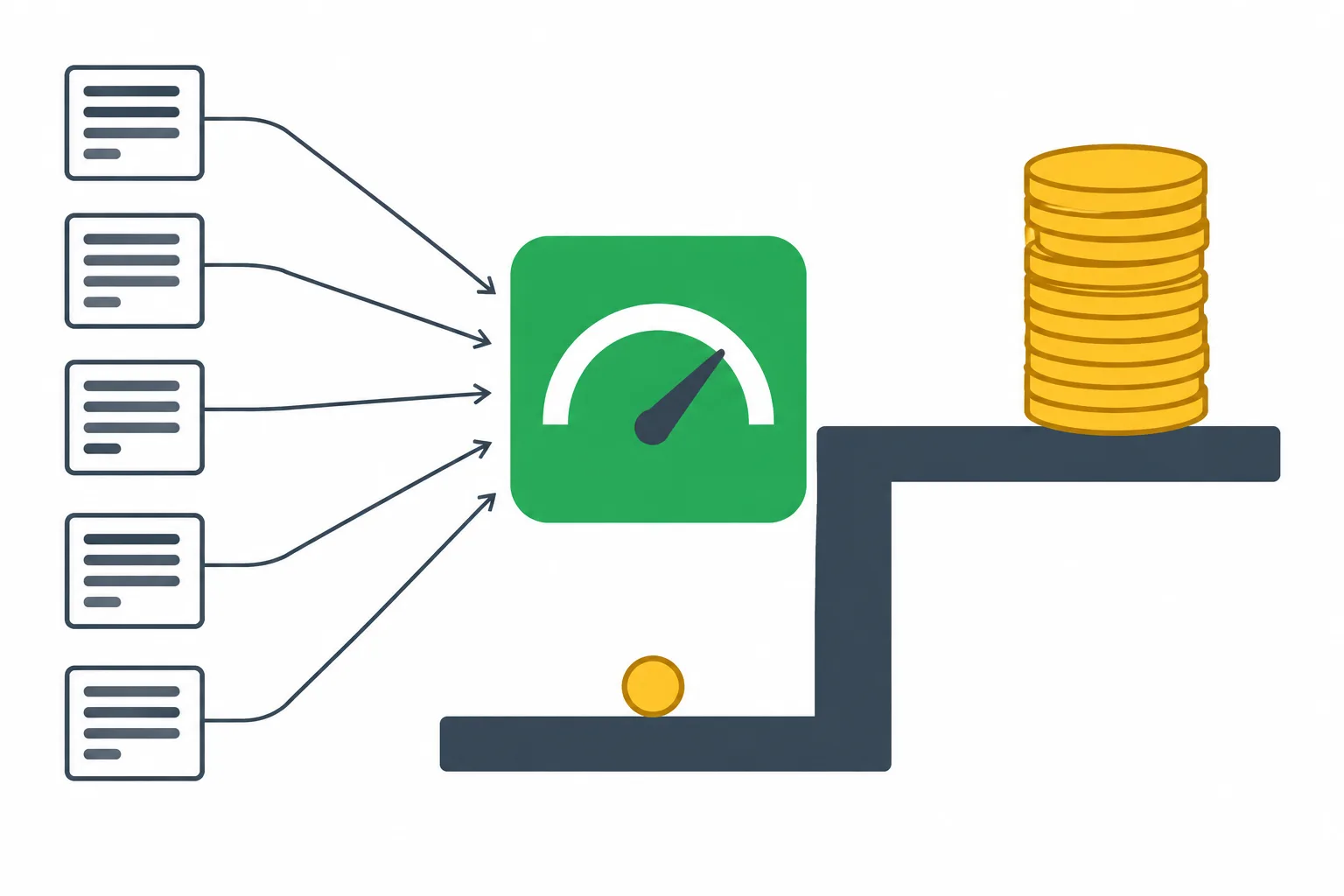
How Metacritic Scores Work—and Why One Point Can Matter So Much
One point can separate praise from a missed bonus. Explore how Metacritic combines reviews, why critics and players diverge, and what a score can’t tell you.
Why threads
AI chats are linear. Curiosity isn’t.
Discuss any part of an answer in its own thread, the way forums let you reply to one post. Then fold the whole tree into one summary article worth keeping.
The problem
Asking about one part of an answer means copy-pasting it
To follow up on a detail, you quote it back into the chat. The conversation zigzags between topics, and the answer you came for scrolls out of sight.
The solution
Branch off from any phrase
Select any part of an answer and discuss it in a side thread. Every reply can branch again, so the chat grows into a tree, like a forum, with each discussion next to what it’s about.
The problem
A tree of messages is hard to come back to
Rereading an exploration later, or sending it to someone, means wading through every branch, like reading a long Reddit thread from the top.
The solution
Fold the whole tree into one text
MyLibrary creates one properly formatted, illustrated summary article from everything you explored, side threads included, not just the main conversation. A tree of messages becomes one flat read.
The problem
Notes from AI chats end up as walls of text
Copy what you learned into a doc and you get plain paragraphs nobody wants to reread, yourself included.
The solution
Get a summary article that looks great
The summary article comes with headings, illustrations made for it, and links to the summary articles of its side threads. It lands in your library, ready to reread.
The problem
One summary doesn’t fit every reader
A quick read for a friend, notes before an exam and a deep dive for a colleague are different texts. A generic summary is right for none of them.
The solution
Pick the style that fits
Make it a magazine feature for a casual read, a book chapter for a serious exploration, study notes or an X thread. Set the reading level from kids to expert, the length, and the illustrations: flat, 3D, photographic, cartoon or diagrams. Rewrite it in another style whenever you need.
The problem
Sharing a chat means sharing a transcript
A chat link hands people the raw back-and-forth, dead ends and all.
The solution
Share it with one link
Publish the summary article and send its link, or post it on X in one click. Readers get a clean, illustrated read, with each side thread one click away.
Public library
Browse everything people have explored
5 min read3 side threads
How Can Owls Turn Their Heads So Far?
An owl’s head turn takes more than a flexible neck. Discover how extra joints, roomy artery passages and nearly fixed eyes make this extraordinary swivel possible.
2 min read3 side threads
How Macy’s Got Its Giant Thanksgiving Balloons
Macy’s giant balloons began as a child-friendly replacement for zoo animals. Discover how oversized puppets took flight—and why keeping them aloft takes a coordinated crew.
6 min read4 side threads
Why the NFL Plays on Thanksgiving—and Why You Always See the Lions and Cowboys
Thanksgiving football began before the Lions and Cowboys claimed the holiday. Discover how publicity, broadcasting, and repetition turned their games into a national ritual.
8 min read4 side threads
What Is Lake-Effect Snow, and Why Does It Bury Buffalo?
A warm lake, a blast of cold air, and a steady wind can bury one neighborhood while sparing the next. Discover how narrow snow bands turn Lake Erie into Buffalo’s winter supply line.
7 min read3 side threads
How Does a 3D Printer Work?
How does a digital design become something you can hold? Explore how 3D printers build with plastic, light, and even cement—one thin layer at a time.
5 min read3 side threads
Why Do Fingers Wrinkle in Water?
Bath-time wrinkles are more than waterlogged skin. Discover how nerves and tiny blood vessels reshape your fingertips—and why their possible grip advantage is still debated.
8 min read4 side threads
Supermoons and the Moon Illusion: Why the Moon Can Look So Big
A supermoon really is bigger—but the giant Moon at the horizon is mostly an illusion. Discover how orbital distance and visual perception combine to fool your eyes.
7 min read4 side threads
What Happens After Someone Falls Overboard From a Cruise Ship?
A person overboard can vanish from view in moments. Discover how crews respond, how rescuers track a drifting target, and why a witness’s actions matter.
5 min read3 side threads
What Is Jupiter’s Great Red Spot?
A storm wider than Earth has swirled on Jupiter for generations. Explore its fierce winds, mysterious red haze, and surprising shrinkage.
3 min read3 side threads
Why Are Cranberries Harvested in Flooded Bogs?
A floating red harvest hides a clever trick: cranberries carry their own air pockets. Discover how growers use water to gather fruit that actually grows on land.
8 min read4 side threads
What Is the VIX—and Why Is It Wall Street’s “Fear Gauge”?
The VIX turns option prices into a gauge of market uncertainty. Learn what its spikes really signal—and why a reading of 30 does not mean stocks will fall 30%.
7 min read4 side threads
How Far Ahead Can You Trust a Weather Forecast?
Tomorrow’s forecast and next week’s outlook answer different questions. Discover why forecasts change, what model disagreements reveal, and which details deserve your trust.
8 min read4 side threads
How Social Security Works—and What “Running Out” Really Means
Your payroll taxes fund today’s benefits—not a personal nest egg. Follow the money to see how your check is calculated and why depleted reserves wouldn’t mean payments disappear.
3 min read5 side threads
How Can SpaceX Reuse a Launch Pad in Just 32 Hours?
A 32-hour launch gap does not mean reflying the same rocket. Parallel preparation, tough ground equipment and careful inspections let the next Falcon 9 take its turn.
6 min read3 side threads
What Is a Recession—and Who Decides When One Starts?
Two quarters of falling GDP are a clue—not a verdict. Discover how recessions spread, why recovery can still hurt, and who dates the downturn.
7 min read3 side threads
How Does a Battery Store Electricity?
A battery stores energy in chemistry, not a tank of electricity. Follow the two paths of moving charge to discover how batteries work, recharge, and wear out.
2 min read3 side threads
Why Don’t Penguins’ Feet Freeze?
Penguins stand barefoot on ice without keeping their feet toasty. Discover how a built-in heat exchanger saves warmth while keeping living tissue from freezing.
2 min read3 side threads
Why Do We Have Leap Years?
Earth’s year doesn’t fit neatly into whole days. Discover how February 29 keeps the seasons on schedule—and why some century years skip it.
7 min read4 side threads
Cahokia: The Indigenous Metropolis Beside the Mississippi
A city of thousands rose beside the Mississippi, built basketload by basketload. Explore Cahokia’s monumental earthworks, solar alignments, and far-reaching Indigenous connections.
7 min read4 side threads
How Metacritic Scores Work—and Why One Point Can Matter So Much
One point can separate praise from a missed bonus. Explore how Metacritic combines reviews, why critics and players diverge, and what a score can’t tell you.